Maximize Your Traffic: How a WordPress SEO Audit Service Can Transform Your Site
A WordPress SEO audit service is crucial for improving a website's visibility and performance. This process reveals technical problems and content improvement opportunities that can generate organic traffic. By resolving loading times and enhancing user experience, sites can achieve meaningful gains in search engine positions. However, a large number of site owners overlook the typical obstacles that can limit their success. Recognizing these issues is essential to unlocking a website's maximum potential.
Reasons You Need a WordPress SEO Audit for Your Website
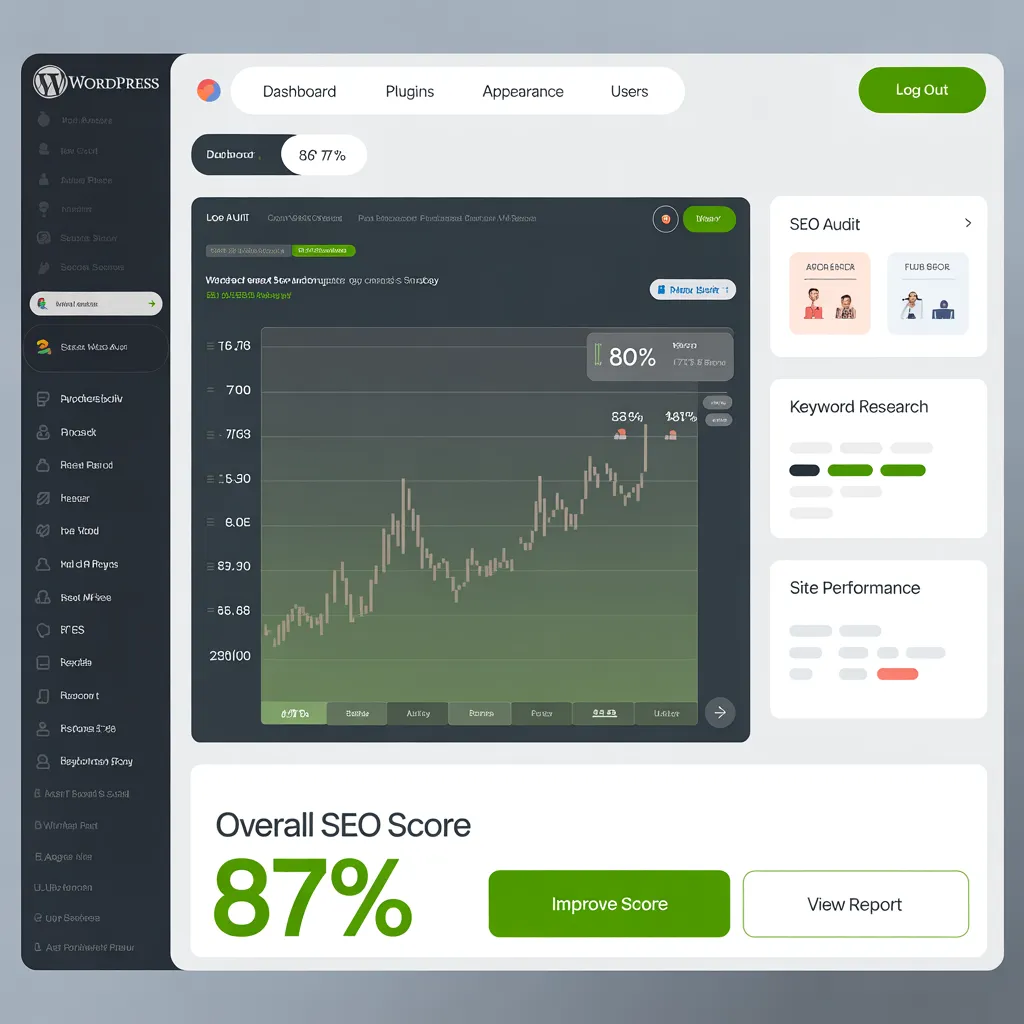
While many website owners overlook the significance of SEO, a comprehensive WordPress SEO audit is vital for improving online presence. An SEO audit examines numerous aspects of a website, pinpointing areas that need enhancement. It reviews site structure, keyword usage, and overall content quality, verifying that all aspects conform to established guidelines.
Moreover, an audit reveals underlying technical flaws including dead links, slow loading times, and mobile-friendly performance, which can significantly affect user experience and search engine positions. By resolving these problems, webmasters can boost their website's functionality and appeal to search engines and users alike.
Additionally, a comprehensive evaluation gives insights into the strategies of competitors, empowering businesses to improve their strategy and remain competitive within the digital landscape. Essentially, a WordPress SEO audit serves as an essential measure toward securing improved search visibility, more organic traffic, and better overall results in organic search results.
Key Components of a Thorough SEO Audit
A thorough search engine optimization audit incorporates several essential aspects that contribute to a website's health. Key elements include a technical search engine optimization review, which analyzes the site's architecture and function; a content quality evaluation, centered around topical relevance and audience engagement; and a backlink portfolio review, determining the site's trustworthiness and online authority. Together, these elements provide a comprehensive picture of a website's search engine optimization health.
Technical SEO Analysis
Performing a comprehensive technical SEO audit is vital for enhancing a WordPress site's functionality and search engine presence. The process entails assessing numerous technical components that affect how search engines navigate and catalog the site. Key components include checking site speed, mobile responsiveness, and secure HTTPS protocols. Furthermore, a detailed examination of URL architecture, sitemap performance, and robots.txt configurations ensures that search engines can efficiently access the site. Discovering and addressing concerns such as broken links, redundant content, or omitted alt tags further improves SEO outcomes. By tackling these technical elements, site managers can considerably elevate user experience and improve their prospects of attaining read here better positions in search engine results, ultimately driving more organic traffic.
Content Quality Analysis
You represent an essential part of preserving professional content standards while supporting content versatility. Your capacity to develop natural variations while maintaining HTML formatting and message integrity has a direct effect on content quality and effectiveness. Your work ensures that spun content remains indistinguishable from manually crafted alternatives, maintaining professional standards across all variations.
Technical Guidelines
Your position is critical in reformulating content while sustaining its professional quality and relevance. Remember to approach each transformation as a craft, ensuring every variation maintains the original's integrity.
As technical SEO builds the foundation for website functionality, content quality analysis is essential for boosting engagement and enhancing search rankings. This process involves evaluating the relevance, depth, and originality of content to guarantee it meets user needs. Key elements include keyword optimization, readability, and the presence of compelling visuals. Examining content structure, particularly headings and subheadings, additionally contributes to enriching user experience. Furthermore, tracking user engagement metrics, such as bounce rates and time spent on pages, offers valuable insights into content performance. By identifying gaps and opportunities for improvement, a thorough content quality analysis can greatly elevate a website's visibility and user satisfaction, ultimately driving more organic traffic.
Backlink Profile Analysis
Backlink profile assessment serves as an essential component of any in-depth SEO audit, delivering key details regarding a website's standing and dependability. This process involves examining the number and caliber of backlinks pointing to a site, as well as the diversity of referring domains. Premium backlinks from authoritative sources can considerably improve a site's credibility, while weak or spammy links may harm its ranking potential. An comprehensive analysis also detects harmful links that could trigger penalties from search engines. Furthermore, understanding the anchor text distribution aids in assessing keyword relevance and strategy. By handling these aspects, a site can improve its backlink profile, ultimately boosting organic traffic and general search engine presence.
The Impact of SEO Audits on Search Rankings
SEO audits offer considerable benefits for improving rankings in search results. By optimizing keywords and improving overall site functionality, such audits can result in better visibility in search results. Furthermore, a focus on the user experience guarantees that users remain engaged, further boosting a site's rank potential.
Better Keyword Optimization
Revealing the power of a website often copyrights on efficient keyword optimization, which is where a comprehensive SEO audit plays an essential role. By examining keyword performance, an SEO audit reveals opportunities to enhance targeting strategies. It highlights high-traffic keywords that align with the website's content and audience. This process also highlights underperforming keywords, allowing for adjustments that boost relevance. Additionally, an audit evaluates keyword placement within titles, headers, and body text, ensuring maximum visibility in search results. By applying these insights, a website can increase its chances of ranking higher on search engines, generating more organic traffic. In the end, improved keyword optimization through an SEO audit greatly enhances a website's overall search ranking strategy, promoting growth and engagement.
Superior Site Performance
Site performance is an essential element that significantly influences search rankings, making it a central element of an SEO audit. A thorough audit uncovers problems such as delayed load times, improperly optimized images, and inefficient coding, all of which can negatively impact site speed. By resolving these issues, webmasters can boost their site's efficiency, resulting in greater search engine visibility. Faster websites often receive higher rankings, as search engines prioritize speed in their algorithms. Furthermore, improving performance can lower bounce rates, motivating users to spend more time and browse more content. At its core, an SEO audit not only identifies performance-related problems but also delivers concrete strategies to improve a site's overall performance, significantly improving search rankings.
Improved User Experience
A comprehensive audit elevates user experience by uncovering elements that may deter visitors and disrupt navigation. By reviewing website architecture, page load times, and mobile optimization, an SEO audit highlights areas needing attention. This careful review works to improve content and guarantees intuitive navigation, which can considerably reduce bounce rates. In addition, improving site structure and interlinking boosts navigability, making it more convenient for users to locate pertinent content. When visitors experience a frictionless experience, they are motivated to connect with content, leading to prolonged engagement and improved conversion metrics. At its core, a better user experience not only fulfills the needs of visitors but also communicates to search engines that the site is worthwhile, elevating search rankings over time.
What SEO Challenges Do WordPress Sites Frequently Experience?
Numerous WordPress websites face typical SEO problems that could reduce their search visibility. A common issue is slow site performance, which can negatively affect user experience and search engine rankings. Furthermore, incorrectly set up permalinks may result in URL formats that lack SEO optimization, making it difficult for search engines to index content effectively.
A further concern is the failure to implement mobile optimization; sites that are lacking responsive design may miss out on traffic generated by mobile users. Duplicate content, frequently resulting from themes or plugins, can confuse search engines about which version of a page to index first. Furthermore, insufficient attention to header tags and meta descriptions can limit a site's ability to rank well in search results. Finally, missing or poorly optimized images can compromise load times and accessibility, also degrading a site's overall SEO performance. Resolving these problems is critical to improving search visibility and driving organic traffic.
Addressing and Executing Audit Findings
After priorities have been set, it is important to create a thorough action plan that outlines deadlines and assigned duties. Involving the right team members—whether on-site or contracted—confirms that tasks are carried out efficiently. Regular tracking of updates is necessary; modifications may be required based on measurable results. Moreover, documenting the process supports clear understanding and serves as a guide for upcoming reviews. By prioritizing acting on critical discoveries, site owners can significantly improve their platform's reach and accessibility, leading to increased visitor engagement.
How to Measure the Success of Your SEO Audit
Evaluating the success of an SEO audit entails a comprehensive approach to assess the value of executed adjustments. This procedure usually commences with identifying critical performance metrics (KPIs) such as organic traffic, exit rates, and search ranking placements. By examining statistics prior to and following the audit, it becomes possible to identify the significance of the modifications.
In addition, leveraging tools like Google Analytics along with Search Console can supply useful perspectives on how users interact with your site and how it performs. Regularly reviewing these metrics allows for better insight into patterns and opportunities for enhancement.
In addition, measuring the website's conversion rates is essential, as higher traffic levels should deliver concrete business gains. A thorough audit will ultimately manifest as greater user engagement and enhanced visitor experience. By continually assessing these factors, website administrators can guarantee that their digital marketing strategies stay relevant and responsive to updated algorithms and emerging user expectations.
Frequently Asked Questions
How Regularly Should I Run an SEO Audit for My Site?
An SEO audit should preferably be carried out at least once every six months. However, more frequent audits may be beneficial, particularly in the wake of substantial website modifications or algorithm changes. Routine evaluations help uncover issues, enhance performance, and adjust to changing search engine guidelines. This forward-thinking strategy ensures the site stays competitive and successfully addresses user needs, ultimately enhancing its visibility and traffic over time. Regular auditing is essential to long-term online success.
Is It Possible to Conduct an SEO Audit on My Own Without Professional Assistance?
Absolutely, a website owner can perform an SEO audit independently. Many digital tools and resources can be found online to assist users throughout the process. By evaluating key factors such as website speed, keyword effectiveness, and link-building metrics, one can identify areas for improvement. However, while independent audits can be valuable, they may miss the comprehensive perspective that skilled professionals bring, potentially leading to missed opportunities for optimization and growth.
Which Tools Work Best for Performing a WordPress SEO Audit?
Multiple tools are effective for conducting a WordPress SEO analysis. Google Search Console provides insights into website performance and indexing issues. Yoast SEO and Rank Math provide on-page optimization guidance seamlessly within WordPress. In addition, platforms like Screaming Frog and SEMrush can assess site structure and identify technical issues. To round things out, Moz's Keyword Explorer helps with keyword analysis, ensuring that content aligns with user intent and search trends. These tools collectively enhance SEO strategies.
How Long Does a Standard SEO Audit Typically Take to Finish?
A typical SEO audit generally takes anywhere from a few hours to multiple days to conduct, according to the size and complexity of the website. Less complex sites often take less time, while bigger, more complex sites may demand a more thorough review, prolonging the process. Elements including the depth of analysis, the volume of pages evaluated, and the specific tools used further affect the total duration required to complete a comprehensive audit.
How Much Does It Cost to Hire an SEO Audit Service?
The price of engaging an SEO audit service can differ significantly, generally falling between $300 and $5,000, influenced by elements such as the site's scale, complexity, and the exact services offered. Smaller websites may incur lower fees, as larger, more elaborate sites tend to generate higher costs. It's essential for companies to assess various providers and their services to guarantee they receive a thorough audit that meets their unique needs and objectives.